LMS
Digital educational platform
About the project
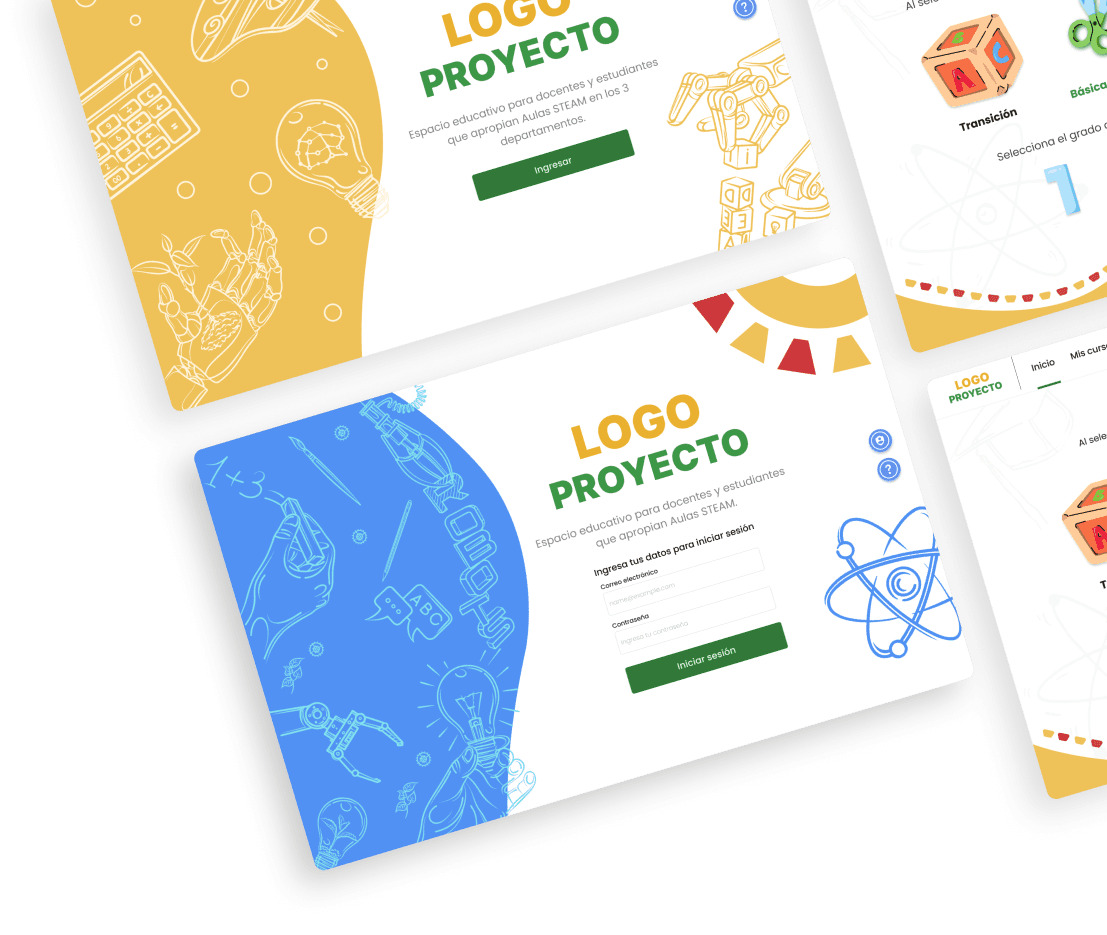
Regional LMS is a comprehensive Learning Management System designed for educational institutions to facilitate online learning, course management, and student progress tracking. The platform provides tools for content creation, assessment, and analytics with an intuitive and user-friendly interface, enhancing the digital educational experience for both educators and students across the region.
UNDERSTAND
Research
The research phase began with interviews conducted with teachers and principals from several of the beneficiary educational institutions. The goal was to understand the context of both students and educators regarding access to and use of technology in the classroom. These institutions are located in rural areas with limited access to technological tools, making it essential to identify their needs, challenges, and familiarity with digital resources.
Subsequently, a session was held with an expert in digital accessibility, who provided key guidelines for designing the accessibility panel and structuring the content, ensuring the platform would be inclusive and appropriate for various types of disabilities.
Finally, a benchmarking analysis of existing digital educational tools was carried out to identify best practices, improvement opportunities, and relevant features that could be incorporated into the project.
IDEATE
Solution
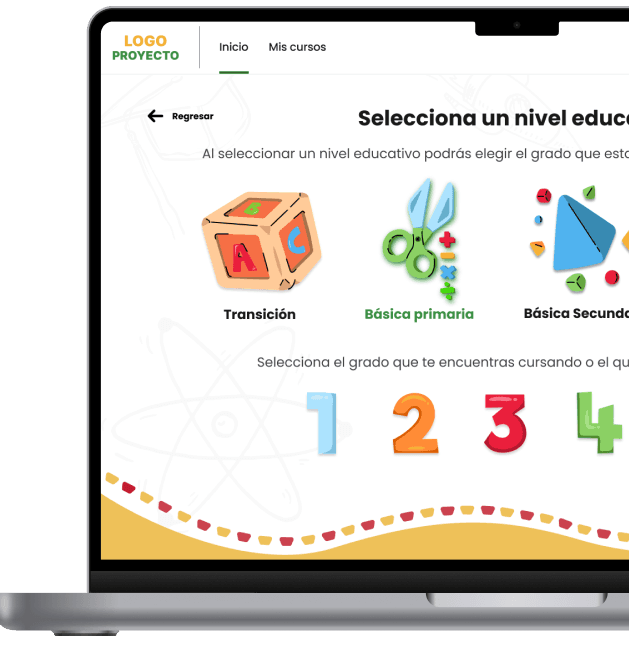
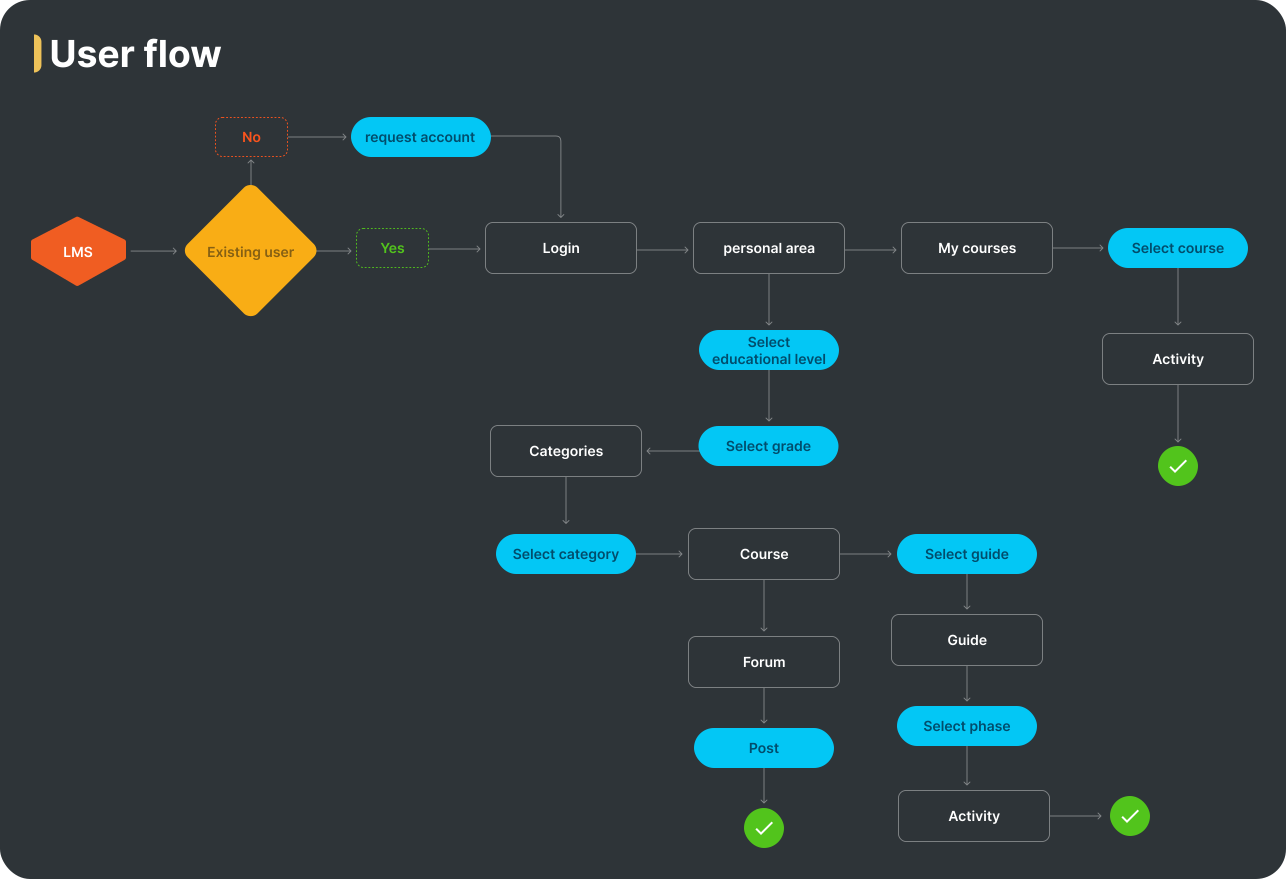
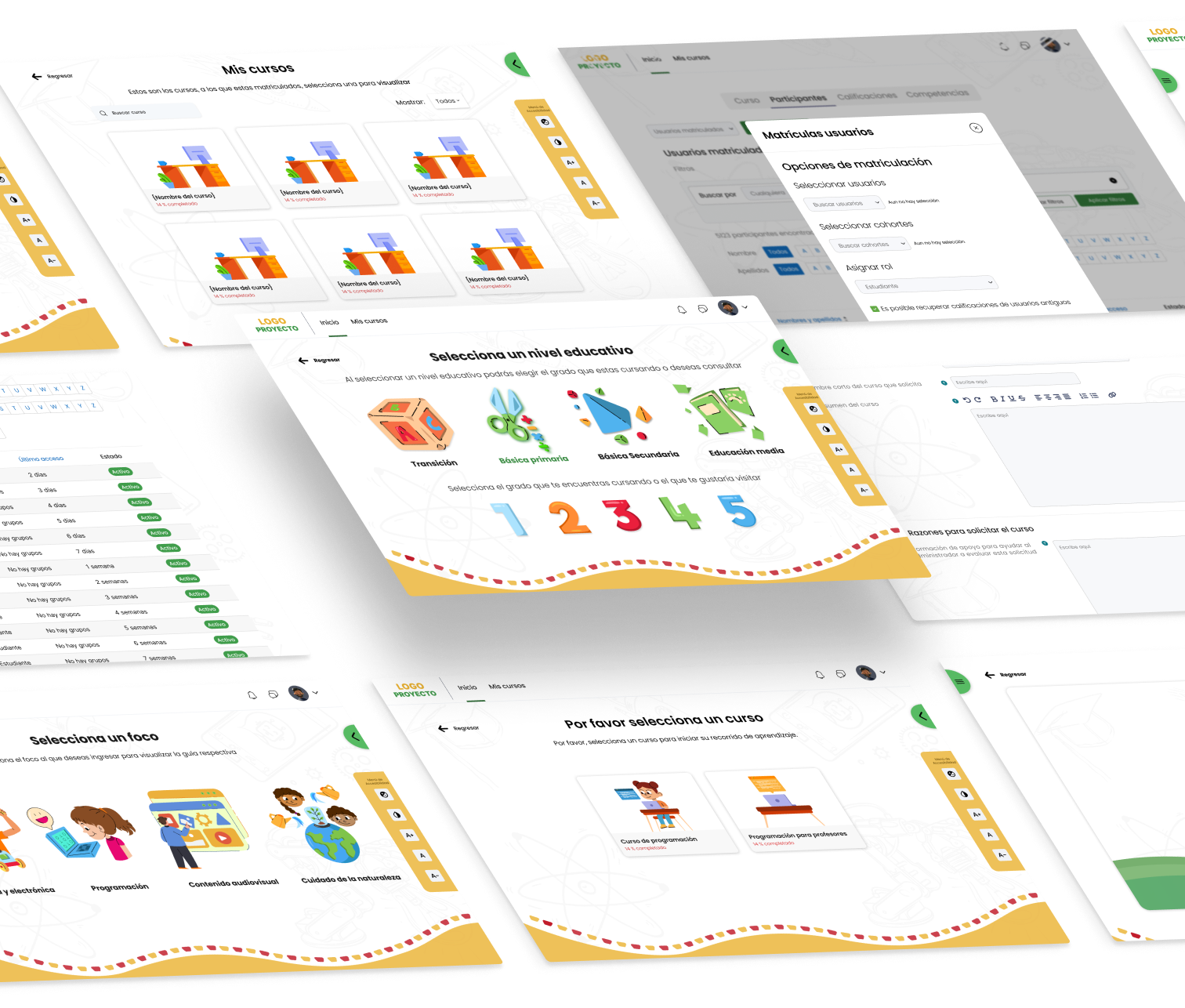
The project will develop a digital platform that enables content management and provides access to educational resources aligned with STEAM experiences (robotics and electronics, programming, nature care, and digital content). This solution includes features such as user management, course administration, task tracking, forums, quizzes, and workshops, as well as monitoring student progress and displaying learning outcomes. Additionally, it adheres to usability principles and accessibility standards (WCAG 2.0), ensuring inclusive access for students with disabilities or exceptional abilities.
Wireframes
IMPLEMENT
Style guide
Interface
TEST
Usability test
The selected method to evaluate the software component was formal experiments, which consist of controlled and measurable experiments with test users, who, in this case, are the institute's teachers. This usability evaluation method was conducted with the aim of proving that users successfully complete the assigned tasks in the software application within a reasonable time and verifying that the software component functions correctly alongside the hardware component. In this method, users perform the requested tasks on the system while the evaluators observe the interaction and functionality of the system.
First test
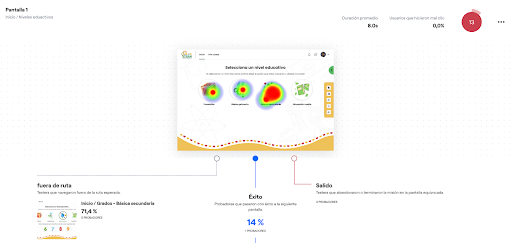
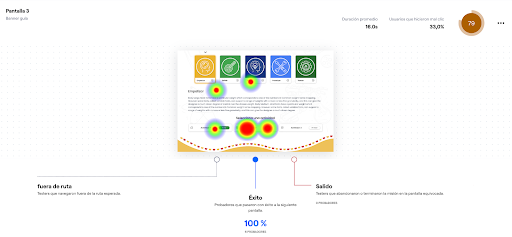
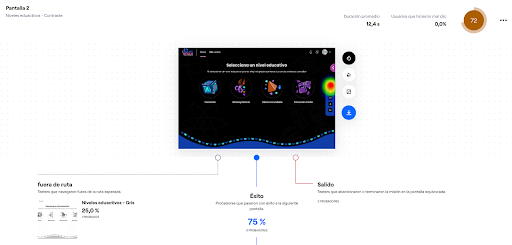
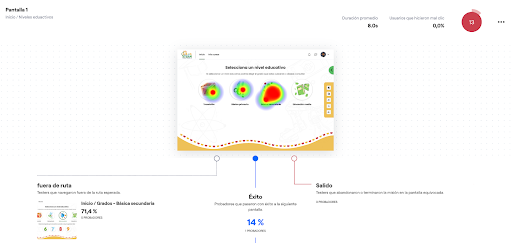
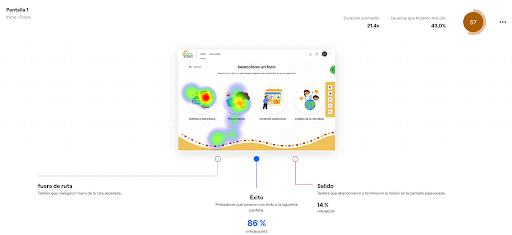
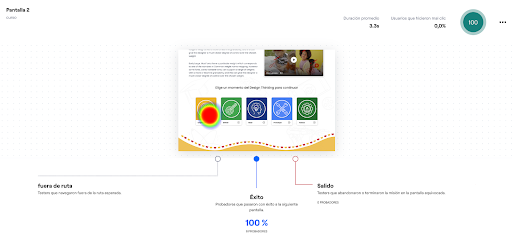
Users interacted with the platform by completing specific tasks designed to evaluate their success or difficulty in carrying them out. Throughout the process, the evaluator provided active support to each participant, observing their behavior and noting spontaneous verbalizations such as opinions, questions, or suggestions related to the task. This close accompaniment allowed for the collection of valuable qualitative insights beyond the direct outcomes of each activity.
Second test
In this second test, the feedback obtained from the first test with the teachers was incorporated. Activities that had a low success score in the previous test were worked on and improved. For this second phase, the tests were conducted individually, starting with a brief contextualization of the user regarding the LMS (Learning Management System) platform. Then, each participant was given a detailed script specifying step-by-step the tasks they needed to complete on the platform. After completing the activities, information collection was reinforced through the use of a questionnaire to gather deeper insights into the user's experience.